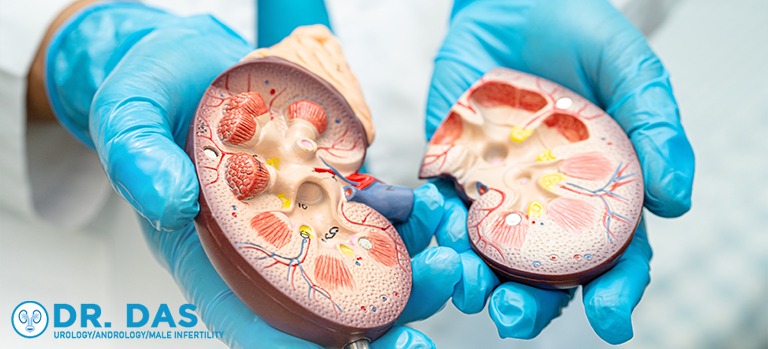
Diabetes is a chronic illness that impacts the lives of people all over the world. While most are aware of its impact on blood sugar levels, heart health, and vision, fewer realize that diabetes can also affect the urinary system. This connection is critical because urinary complications can lead to discomfort, recurrent infections, and long-term kidney damage if left untreated. At Dr Das Clinic, we focus on comprehensive care for patients with diabetes, including monitoring urinary and kidney health to ensure long-term wellness.
Contents
- 1 How Diabetes Affects the Urinary System
- 2 Common Urological Disorders Linked to Diabetes
- 3 Sexual Dysfunction in Men
- 4 Preventive Measures and Management
- 5 When to Consult a Urologist
- 6 Lifestyle Tips to Support Urinary Health
- 7 The Importance of Early Detection
- 8 Conclusion
- 9 Frequently Asked Questions (FAQ)
How Diabetes Affects the Urinary System
High blood sugar levels over time can damage nerves and blood vessels throughout the body. When this damage affects the urinary system, it can interfere with the normal functioning of the bladder, kidneys, and reproductive system.
Some common urinary complications in diabetic patients include:
- Bladder Dysfunction: Nerve damage can make it difficult for the bladder to empty completely, leading to frequent urination, incontinence, or urinary retention
- Urinary Tract Infections: Sugar in the urine can create a breeding ground for bacteria, increasing susceptibility to infections
- Kidney Problems: Diabetes is one of the leading causes of chronic kidney disease. Damaged kidneys may struggle to filter waste efficiently, affecting urine production and overall urinary health
- Isssues with Male Genital Organs: Phimosis or nonretraction of foreskin often happen in uncircumcised men and due to uncontrolled diabetes.Sexual dysfunction can also affect diabetic men more often than nondiabetic men.
- Difficulty starting urination
- Weak or interrupted urine flow
- Feeling of incomplete bladder emptying
- Frequent urination, especially at night/li>
- Burning sensation during urination
- Cloudy or foul-smelling urine
- Lower abdominal pain or discomfort
- Fever in more severe cases
- Foamy urine
- Swelling in your legs, ankles, or around your eyes.
- Fatigue and general weakness
- Erectile dysfunction
- Reduced libido
-
Difficulty achieving or maintaining an erection
- Blood Sugar Control: Maintaining blood glucose within the target range through medications, diet, and regular monitoring
- Regular Urological Checkups: Early detection of bladder or kidney issues helps prevent severe complications
- Adequate Hydration: Drinking sufficient water helps flush out bacteria and maintain urinary tract health
- Healthy Lifestyle: Regular physical activity and a balanced diet support kidney and bladder function
- Prompt Treatment of Infections: Any urinary infection should be treated immediately to prevent kidney damage
- Persistent urinary frequency or urgency
- Difficulty starting urination or incomplete emptying
- Recurrent urinary infections
- Swelling or foamy urine indicating potential kidney issues
- Sexual dysfunction
- Recurrent infection in foreskin of male genital organs or difficulty to retract the skin.
- Balanced Diet: Avoid excessive sugar intake and include fruits, vegetables, and whole grains
- Regular Exercise: Maintaining a healthy weight supports kidney and bladder health
- Limit Bladder Irritants: Reduce consumption of caffeine and alcohol
- Good Hygiene Practices: Reduces the risk of infections and promotes overall urinary health
- Stress Management: Stress can affect blood sugar levels and overall wellness, so techniques such as meditation, yoga, or regular physical activity can be helpful
Common Urological Disorders Linked to Diabetes
Diabetic Bladder Dysfunction
One of the most common complications is diabetic bladder dysfunction, also called neurogenic bladder. Damage to the nerves that control bladder muscles can result in:
Patients experiencing these symptoms may also notice urinary retention, which can increase the risk of infections. Early evaluation is important because proper management can restore bladder function and prevent further complications.
Urinary Tract Infections
People with diabetes are more prone to urinary tract infections due to elevated blood sugar levels and a weakened immune system. Recurrent UTIs can cause discomfort and serious complications if untreated.
Common signs of a UTI include:
Prompt treatment is crucial to prevent infections from spreading to the kidneys, which can be especially harmful in diabetic patients.
Kidney Disease
Diabetes can gradually damage the kidneys’ filtering units, leading to a condition called diabetic nephropathy. Protein may leak into the urine, and over time, kidney function may decline. Early signs include:
Monitoring kidney function regularly is essential for early detection and to prevent progression. Treatments may include medications, dietary adjustments, and lifestyle changes to support kidney health.
Sexual Dysfunction in Men
Diabetes can also affect sexual health in men. Poor blood sugar control can impair blood flow and nerve function in the reproductive system, leading to:
Addressing sexual dysfunction is an important aspect of overall diabetes management. With early consultation and treatment, many patients experience significant improvement.
Preventive Measures and Management
Effective diabetes management is key to reducing the risk of urological complications. Some essential steps include:
By combining these strategies, patients can significantly lower the likelihood of complications related to diabetes.
When to Consult a Urologist
Diabetic patients should seek professional evaluation if they experience:
Early consultation with a urologist allows for proper diagnosis and timely intervention, reducing the risk of long-term damage.
Lifestyle Tips to Support Urinary Health
Adopting certain lifestyle habits can help diabetic patients maintain healthy urinary function:
The Importance of Early Detection
Early recognition of urinary complications is crucial. Many patients may ignore mild symptoms, thinking these are normal effects of aging or diabetes. However, untreated urinary problems can escalate, causing kidney damage, infections, and complications in sexual health. Regular screenings, blood tests, and urine tests can help detect problems early and guide effective treatment.
Conclusion
Diabetes affects more than just blood sugar levels. It has a significant impact on urinary health, including bladder function, kidney performance, and sexual health. Understanding this connection and taking preventive measures can reduce the risk of complications. With proper monitoring, lifestyle management, and timely medical intervention, many diabetes-related urological problems can be prevented or managed effectively.
At Dr Das Clinic, patients receive comprehensive care for diabetes-related urinary issues. Our specialists focus on maintaining optimal bladder and kidney health while providing personalized guidance for every patient. Recognized as the best urology center in Bahrain, we are committed to delivering the highest quality care and support for urinary health, ensuring patients can live comfortably and confidently.
Frequently Asked Questions (FAQ)
1. Does diabetes cause kidney damage?
Long-term high blood sugar can damage the kidneys’ filtering units, leading to diabetic nephropathy, which can cause protein in urine, swelling of feet and body, and fatigue if not managed early.
2. Is sexual dysfunction related to diabetes reversible?
In many cases, sexual dysfunction caused by diabetes can improve with proper blood sugar control, lifestyle changes, and treatment by a urologist. Early intervention provides the best results.
3. How does high blood sugar lead to bladder dysfunction?
High blood sugar can damage the nerves that control bladder muscles, resulting in difficulty emptying the bladder, weak urine flow, multiple visits to bathroom at night and day and increased risk of infections.
4. Are men more affected by diabetes-related urological issues than women?
Both men and women can experience urological complications from diabetes. Men are more prone to erectile dysfunction, while women may face higher risks of recurrent urinary tract infections.
5. Can good blood sugar control reverse early kidney damage?
Yes. Maintaining blood sugar within the recommended range, along with regular monitoring and lifestyle adjustments, can slow or sometimes reverse early kidney damage.