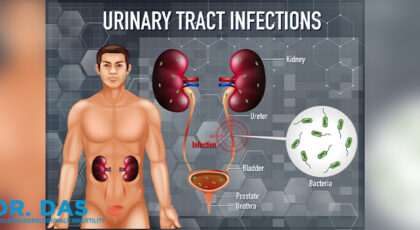
Prostate health is an essential part of men’s overall well-being, yet it is often ignored until noticeable symptoms begin to interfere with daily life. The prostate is a small gland located just below the bladder, and it plays an important role in male reproductive function by producing fluid that supports sperm health. As men grow older, changes in the prostate are common, and while many of these changes are not serious, some may signal underlying conditions that require attention.
Understanding the early warning signs and knowing when they become a cause for concern is crucial. Symptoms related to urination, discomfort, or changes in normal bodily functions should not be overlooked. If these signs persist or worsen over time, seeking timely evaluation from a qualified urologist can help identify the issue early and prevent potential complications.
Contents
- 1 Understanding the Prostate and Its Function
- 2 Common Symptoms of Prostate Problems
- 3 When Should You Be Concerned?
- 4 Risk Factors for Prostate Problems
- 5 Diagnosis of Prostate Conditions
- 6 Treatment Options
- 7 Tips to Maintain Prostate Health
- 8 Conclusion
- 9 Frequently Asked Questions (FAQs)
- 9.1 1. At what age should men start checking their prostate health?
- 9.2 2. Can prostate problems occur in younger men?
- 9.3 3. Are prostate problems always related to cancer?
- 9.4 4. How long do prostate symptoms usually last?
- 9.5 5. Can diet affect prostate health?
- 9.6 6. Is prostate screening painful?
- 9.7 7. Can prostate problems affect fertility?
- 9.8 8. Do prostate problems require lifelong treatment?
Understanding the Prostate and Its Function
The prostate gland produces a fluid that nourishes and transports sperm. As men age, the prostate can undergo changes, leading to conditions such as:
- Benign Prostatic Hyperplasia (BPH) – enlargement of the prostate
- Prostatitis – inflammation or infection
- Prostate cancer – abnormal growth of cells
While not all prostate conditions are serious, some require immediate medical attention.
Common Symptoms of Prostate Problems
Recognizing early symptoms is key to preventing complications and ensuring timely treatment. While some signs may appear mild at first, they can gradually worsen if left untreated. Understanding these symptoms can help you seek medical care at the right time. Some of the most common signs include:
1. Frequent Urination
If you find yourself needing to urinate more often than usual, especially during the night (a condition known as nocturia), it could be a sign of an enlarged prostate. The prostate may press against the bladder, reducing its capacity and causing a constant urge to urinate. This can disrupt sleep, affect daily routines, and indicate underlying urinary tract obstruction.
2. Difficulty in Urination
Struggling to start urination, experiencing a weak urine stream, or noticing that the flow stops and starts intermittently are common symptoms of prostate enlargement. This happens when the enlarged prostate puts pressure on the urethra, restricting the normal flow of urine. Over time, this can lead to incomplete emptying of the bladder and increase the risk of infections.
3. Pain or Burning Sensation
A burning or painful sensation during urination may indicate inflammation or infection of the prostate, commonly known as prostatitis. This discomfort can range from mild irritation to severe pain and may be accompanied by fever or chills in some cases. Ignoring these symptoms can lead to worsening infection and complications.
4. Blood in Urine or Semen
The presence of blood in urine (hematuria) or semen is a serious symptom that should never be ignored. It may be caused by infection, inflammation, or more serious conditions such as prostate cancer. Even if it occurs only once, immediate medical evaluation is essential to determine the underlying cause and begin appropriate treatment.
5. Pelvic or Lower Back Pain
Persistent pain or discomfort in the pelvic region, hips, groin, or lower back can sometimes be linked to prostate problems. This type of pain may feel dull or sharp and can interfere with daily activities. In some cases, it may indicate advanced prostate conditions or infections that require prompt medical attention.
6. Erectile Dysfunction
Difficulty achieving or maintaining an erection can also be associated with prostate health issues. While erectile dysfunction can have multiple causes, including stress and hormonal imbalance, it may sometimes be linked to prostate conditions or treatments. Addressing this symptom early can help improve both physical and emotional well-being.
When Should You Be Concerned?
While mild symptoms can occur occasionally and may not always indicate a serious problem, certain warning signs should never be ignored. Recognizing these signs early and acting promptly can help prevent complications and ensure better treatment outcomes.
Persistent Symptoms
If urinary problems continue for several days or gradually worsen over time, it may indicate an underlying prostate condition that requires medical evaluation. Ignoring ongoing symptoms can lead to further discomfort and complications.
Sudden Changes in Urinary Habits
A noticeable shift in how often you urinate, increased urgency, or changes in urine flow should be taken seriously. These changes may signal prostate enlargement or other urinary tract issues that need attention.
Severe Pain
Intense or persistent pain in the lower abdomen, groin, pelvic area, or lower back should not be overlooked. Such pain may be associated with infections, inflammation, or other significant prostate-related conditions.
Difficulty Passing Urine
If you experience extreme difficulty in passing urine or a complete inability to urinate, it is considered a medical emergency. Immediate care is essential to relieve the blockage and prevent further complications.
Unexplained Weight Loss or Fatigue
Sudden weight loss, ongoing fatigue, or a general feeling of weakness without a clear reason may indicate a more serious underlying condition. These symptoms should be evaluated promptly to rule out serious health concerns.
If you notice any of these warning signs, it is important to seek timely medical advice from a qualified urologist for proper diagnosis and appropriate treatment.
Risk Factors for Prostate Problems
Understanding risk factors can help you stay proactive about your health. Common factors include:
- Age (risk increases after 50)
- Family history of prostate conditions
- Poor diet and lack of physical activity
- Obesity
- Hormonal changes
Men with these risk factors should consider regular checkups to monitor prostate health.
Diagnosis of Prostate Conditions
Early diagnosis plays a crucial role in successful treatment. Urologists may recommend:
- Digital Rectal Examination (DRE)
- Prostate-Specific Antigen (PSA) blood test
- Ultrasound or imaging tests
- Urine analysis
These tests help determine the exact cause of symptoms and guide appropriate treatment.
Treatment Options
Treatment for prostate problems depends on the specific condition, its severity, and the patient’s overall health. A proper diagnosis helps determine the most effective approach for long-term relief and management. Common treatment options include:
Medications
Medications are often the first line of treatment and are used to relieve symptoms, reduce inflammation, control infections, or help shrink an enlarged prostate. They can significantly improve urinary flow and overall comfort.
Lifestyle Modifications
Simple lifestyle changes can make a noticeable difference in managing symptoms. Maintaining a balanced diet, staying physically active, reducing caffeine and alcohol intake, and staying well-hydrated can support better prostate and urinary health.
Minimally Invasive Procedures
Advanced treatments, such as laser therapy and other minimally invasive techniques, are widely used to treat prostate conditions. These procedures are effective, involve less discomfort, and offer quicker recovery compared to traditional methods.
Surgical Options
In more severe cases, surgery may be recommended to remove or reduce prostate tissue causing obstruction. Surgical treatments are typically considered when other methods do not provide sufficient relief.
With ongoing advancements in medical technology, prostate treatments have become safer, more precise, and highly effective, allowing patients to recover faster and return to their normal routines with improved quality of life.
Tips to Maintain Prostate Health
Prevention and early care can significantly reduce the risk of serious issues. Here are some helpful tips:
- Maintain a balanced diet rich in fruits and vegetables
- Stay physically active
- Drink plenty of water
- Limit caffeine and alcohol intake
- Avoid smoking
- Schedule regular health checkups
Taking these steps can help you maintain a healthy prostate and overall well-being.
Conclusion
Prostate problems are common, especially as men age, but ignoring the warning signs can lead to serious complications. Understanding the symptoms and knowing when to seek help is essential for early diagnosis and effective treatment.
At Dr. Das Clinic, recognized as the best urology center in Bahrain, we provide expert diagnosis and advanced treatment options for all prostate-related conditions. Our experienced specialists use the latest technology to ensure safe, effective, and personalized care.
If you are experiencing any symptoms or have concerns about your prostate health, don’t wait, book your consultation today and take the first step toward better health with trusted urology experts in Bahrain.
Frequently Asked Questions (FAQs)
1. At what age should men start checking their prostate health?
Men are generally advised to start regular prostate checkups around the age of 50. However, those with a family history of prostate issues may need to begin earlier, typically around 40–45.
2. Can prostate problems occur in younger men?
Yes, while prostate issues are more common in older men, younger men can also experience conditions like prostatitis, which is often linked to infection or inflammation.
No, most prostate problems are non-cancerous, such as benign prostate enlargement (BPH) or prostatitis. However, proper evaluation is important to rule out serious conditions.
4. How long do prostate symptoms usually last?
The duration varies depending on the cause. Some symptoms may resolve with treatment in a few weeks, while others may require ongoing management.
5. Can diet affect prostate health?
Yes, a diet high in processed foods and low in nutrients may increase the risk of prostate issues. A balanced diet rich in vegetables, fruits, and healthy fats supports better prostate health.
6. Is prostate screening painful?
Most screening tests, such as blood tests (PSA), are simple and painless. Physical examinations may feel slightly uncomfortable but are quick and important for diagnosis.
7. Can prostate problems affect fertility?
Certain prostate conditions, especially infections or inflammation, can impact sperm quality and fertility. Early treatment can help prevent complications.
8. Do prostate problems require lifelong treatment?
Not always. Some conditions can be treated effectively and resolved, while others may require long-term management depending on severity.